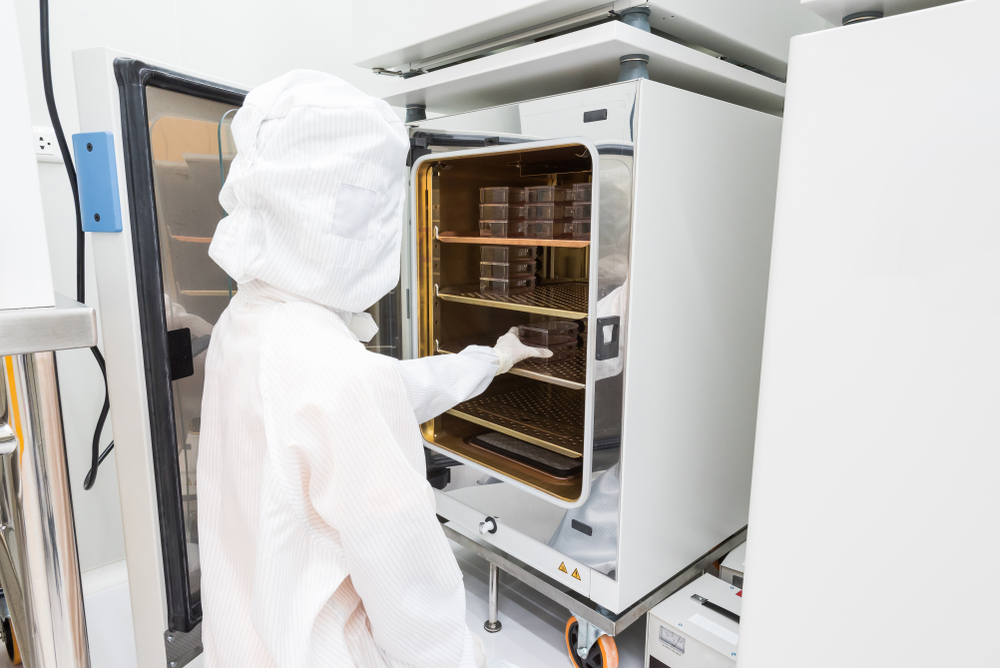
A scientist in sterile coverall gown placing cell culture flasks in the CO2 incubator. Doing biological research in clean environment. Cleanroom facility

How Often Should a CO2 Incubator be Calibrated?

Calibrate a CO2 incubator every three to six months under standard use. Heavy-use units and critical applications need monthly checks. Always calibrate again after a repair, after a sensor change and at install. Do that no matter when the last visit happened. That is the short answer. But the right interval for your lab depends  … Read more
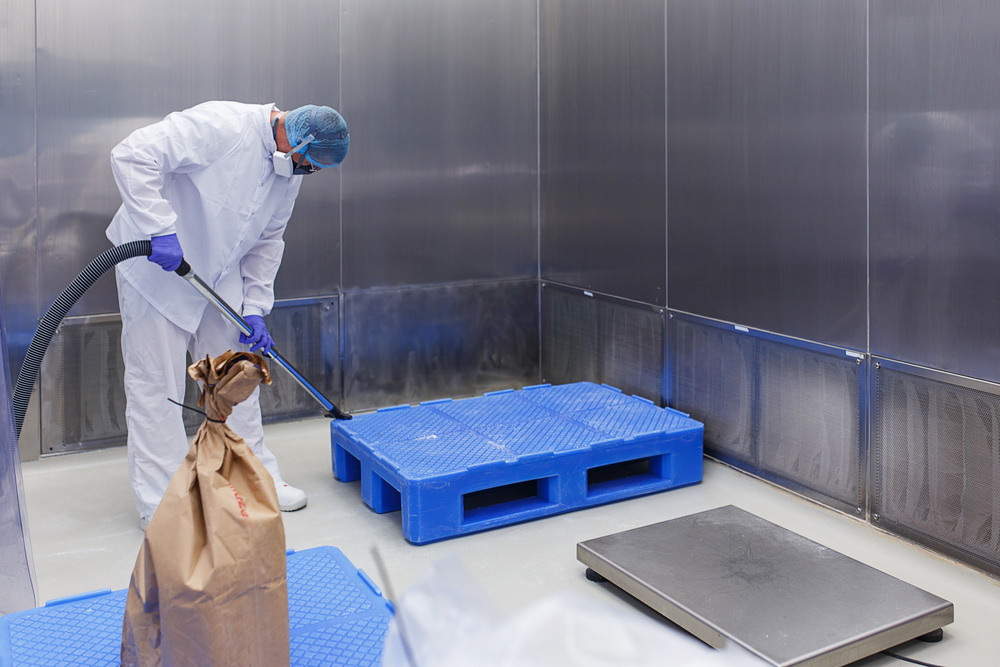
Production room in the medical laboratory. A specialist in protective clothing and a mask makes cleaning of a sterile room.

Lab Equipment Maintenance: The Five Fundamentals

Lab equipment maintenance covers five areas: cleaning, calibration, repair, refurbishment and replacement. Each one has its own cadence and its own owner. Together they decide whether your instruments produce reliable data or produce surprises. Three things hold a lab equipment maintenance program together: written procedures, maintenance records and trained staff. Without them, a maintenance program  … Read more

Woman opening modern refrigerator door, closeup view

How to Check Freezer Gasket Seals: 4 Quick Tests

You can check a freezer gasket seal in about ten minutes using four tests: feel for escaping cold air, shine a flashlight inside the closed unit, close a dollar bill in the door, then inspect the gasket and the surface it seals against. Each test finds a different kind of failure. So run all four  … Read more

Young male scientist and laboratory freezer

7 Preventative Maintenance Tips for Your Lab’s Refrigerator

Lab refrigerator preventative maintenance comes down to five jobs: keep the gaskets sealing, keep the condenser coils clean, keep frost under control, load the unit so air can move, and verify that the displayed temperature is the real temperature. Most cold storage failures trace back to one of those five. None of them require a  … Read more

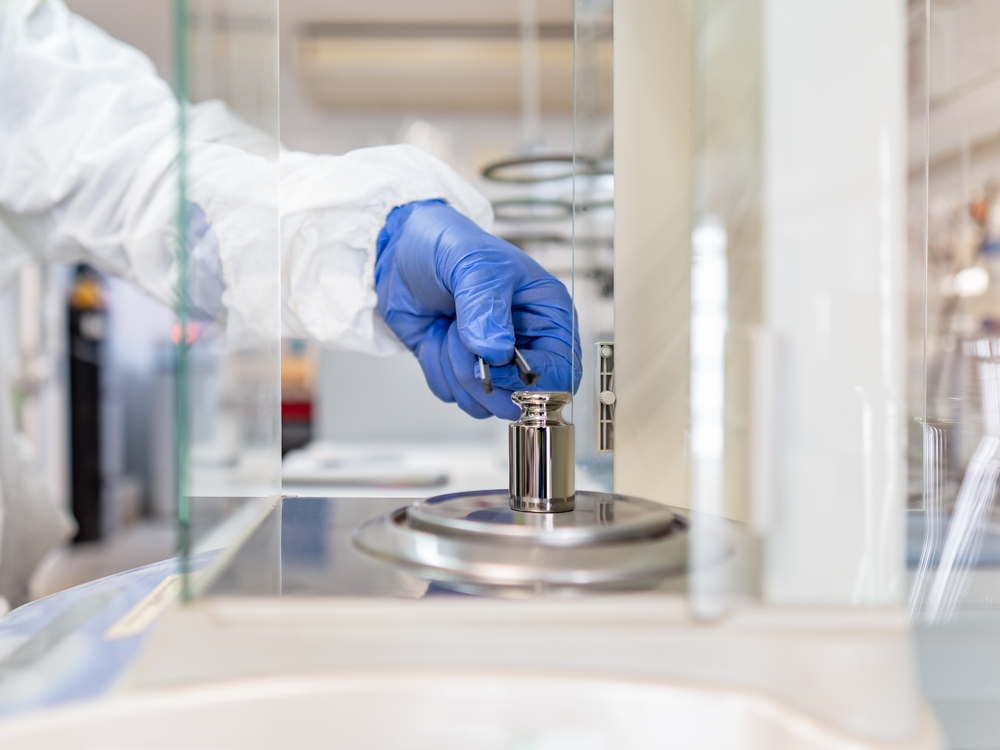
hand holding steel calibration weight to place on the analytical balance - lab quality control concept

FDA Calibration Requirements for Pharmaceutical Labs

The FDA requires drug makers to calibrate lab instruments at set intervals, follow a written program, and keep a record of every calibration. These rules live in 21 CFR Part 211, the current Good Manufacturing Practice regulations for finished drugs. However, Part 211 does not name an interval. Instead, it asks your lab to choose  … Read more

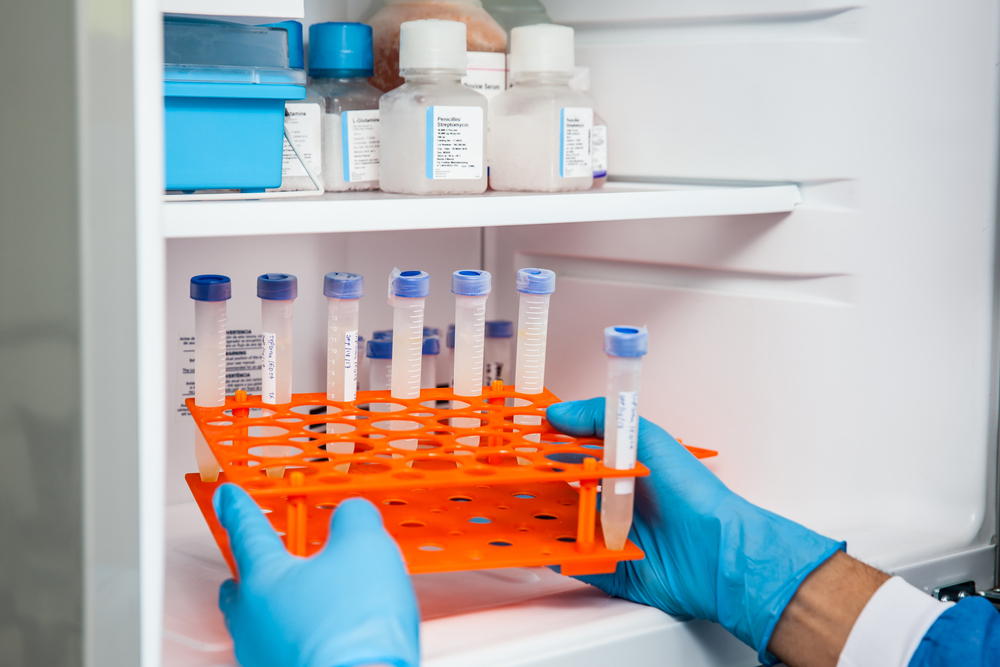
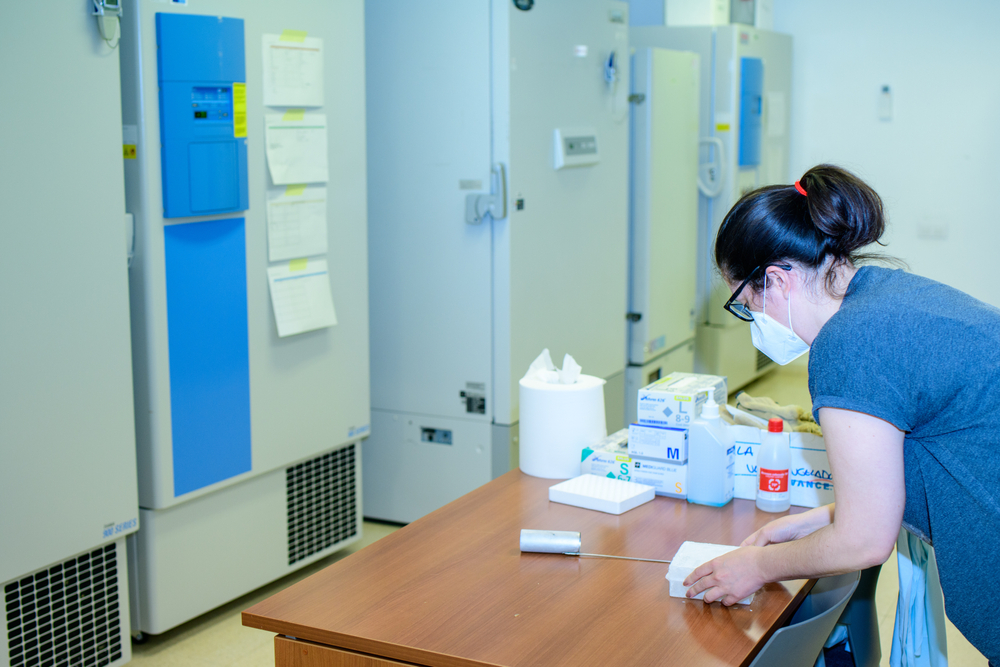
laboratory technician storing specimens in ultra low temperature freezers in a research laboratory

ULT Freezer Troubleshooting: 5 Common Problems and How to Fix Them

Ultra low temperature (ULT) freezers protect some of the most valuable materials in your lab. That includes biological samples, cell lines, tissue, reagents, and certain vaccines. When a ULT freezer starts to fail, every minute matters. A short temperature excursion can ruin months of work. The good news is that many ULT freezer problems have  … Read more

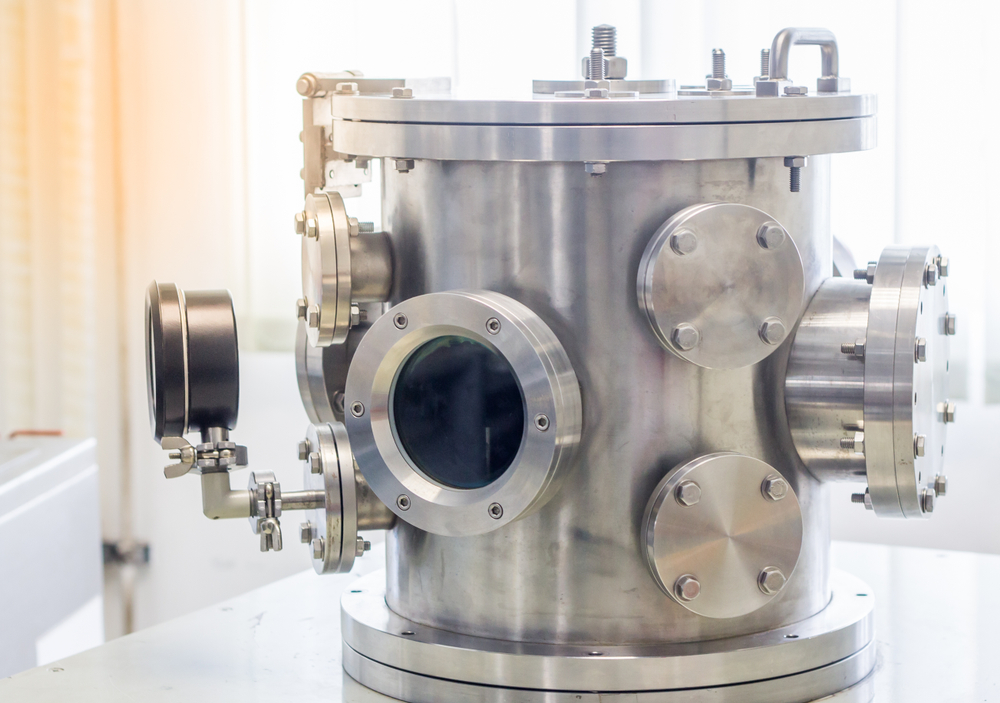
table top vacuum chamber in a lab setting

Environmental Chambers: What They Are and What They Do

An environmental chamber is an enclosed unit that simulates controlled conditions such as temperature, humidity, pressure, vibration and light so engineers can measure how a product behaves before it ships. Also called an environmental test chamber or climatic chamber, it lets a manufacturer push a product past its expected operating range in a repeatable way,  … Read more

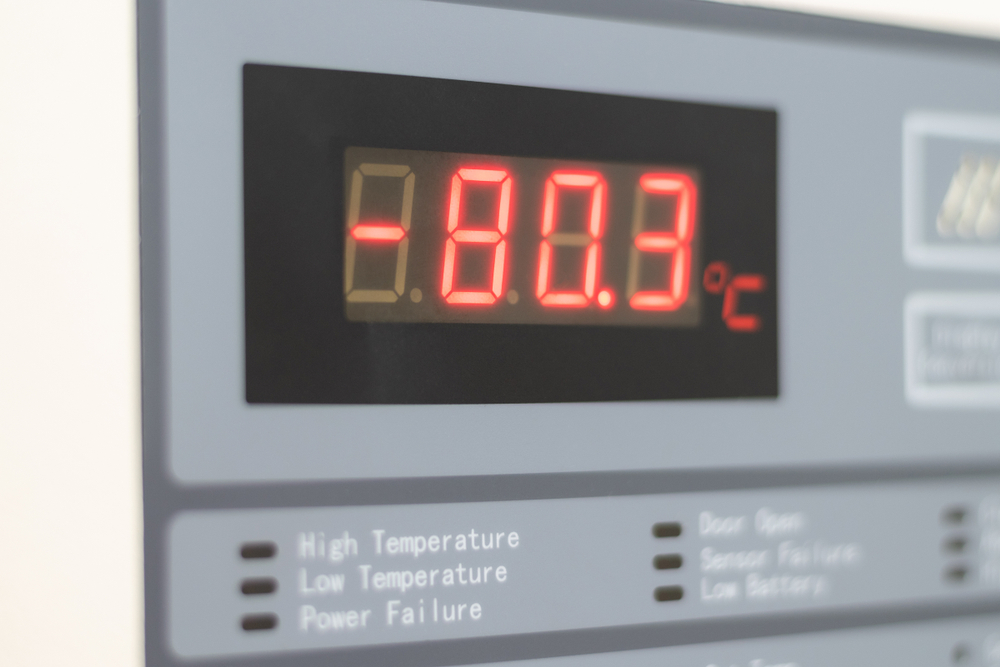
Ultra low temperature -80 degree celsius freezer for keeping specimens for laboratory testing in hospital

What is a ULT Freezer?

What exactly is a ULT freezer? How do they work and how can you keep yours working for as long as possible? In this post, we’ll give you a basic overview of ULT freezers and give you some general information for how they work. In addition, we’ll discuss what makes them such an asset for  … Read more

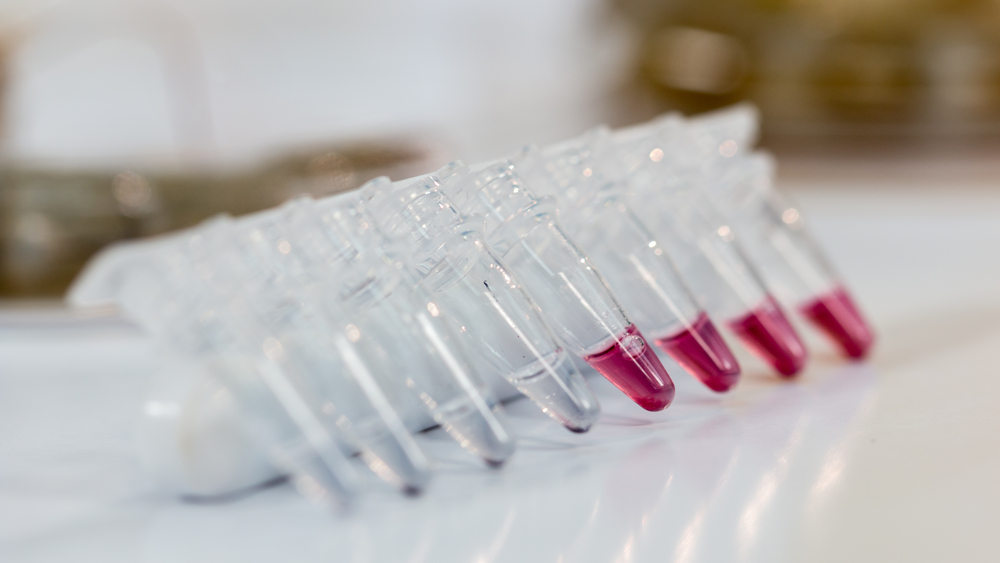
Microcentrifuge Tubes on lab bench with red substance

Keeping Your Lab Equipment Calibrated – A Guide

In the world of scientific research and clinical diagnostics, data is everything. The integrity of your results depends entirely on the accuracy of the instruments producing them. A pipette that’s off by a few microliters, a balance that drifts, a centrifuge running at the wrong RPM — these aren’t minor inconveniences.

Work has stopped in a lab with equipment that is not working properly

Lab Equipment Services: Repair vs Replace?

A vital piece of lab equipment has broken down. Now what? How do you know if you should replace or repair your lab equipment? It can be tough making that decision. Especially when you are relying on scientific equipment to carry out your day-to-day operations. Additionally, you may find equipment that is not performing well  … Read more