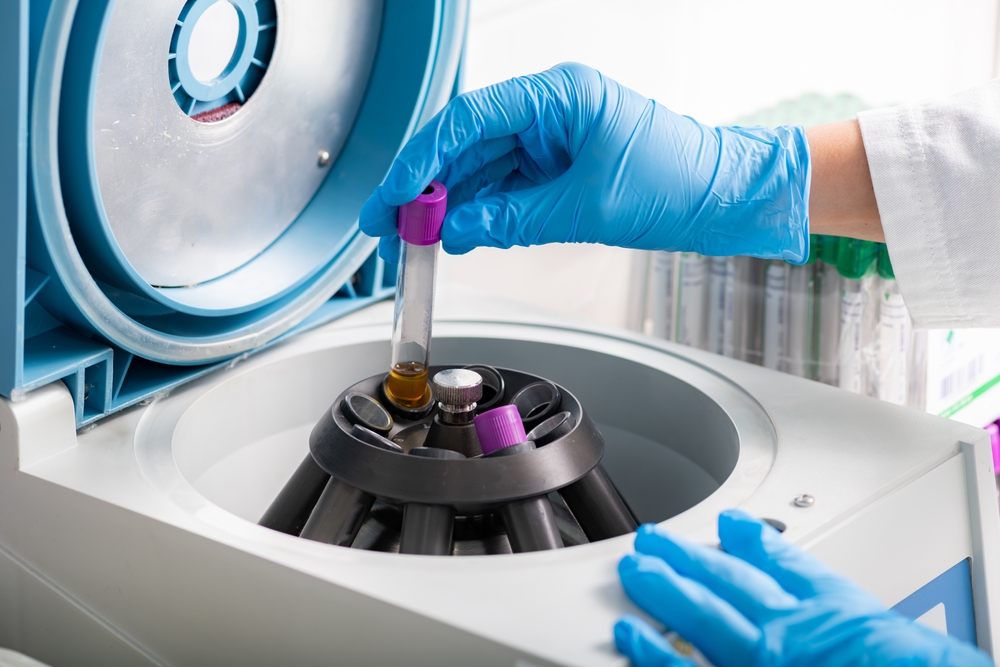
Why Regular Centrifuge Calibration Is Essential for Accurate Lab Results
In modern laboratories, accuracy is everything. Whether you’re working in clinical diagnostics, pharmaceutical research, biotechnology, or quality control, even the smallest deviation in equipment performance can lead to compromised results, failed experiments, or regulatory issues. One of the most critical — and often overlooked — factors in laboratory accuracy is regular centrifuge calibration.
At Cryostar Industries, we work with laboratories across New York and beyond to ensure centrifuges are properly calibrated, maintained, and operating at peak performance. In this post, we’ll explain why centrifuge calibration is essential, how it directly affects lab results, and what can happen when calibration is neglected.
What Is Centrifuge Calibration?
Centrifuge calibration is the process of verifying and adjusting a centrifuge’s operational parameters to ensure they match manufacturer specifications and industry standards. This typically includes checking:
- Rotational speed (RPM or RCF)
- Timer accuracy
- Temperature settings (for refrigerated centrifuges)
- Acceleration and deceleration rates
- Safety and braking systems
Over time, normal wear and tear, mechanical stress, vibration, and frequent use can cause these parameters to drift. Calibration ensures that your centrifuge is spinning at the exact speed required to deliver reliable, repeatable results.
Why Accurate Rotational Speed Matters
The core function of a centrifuge is to separate materials based on density using centrifugal force. This force is directly related to rotational speed. If the centrifuge is not spinning at the correct RPM or RCF:
- Samples may not separate fully
- Cellular components may be damaged
- Pellets may form inconsistently
- Results may vary from run to run
Even a small deviation in speed can significantly alter outcomes, particularly in sensitive applications such as blood analysis, DNA extraction, or protein isolation. Regular calibration confirms that the centrifuge is delivering the exact force your protocol requires.
How Calibration Ensures Reliable and Repeatable Results
Reproducibility is a cornerstone of scientific work. Without proper calibration, two identical samples processed under “the same” conditions may yield different results simply because the centrifuge is not operating consistently.
Routine centrifuge calibration helps ensure:
- Consistent sample processing
- Repeatable test outcomes
- Reduced variability between runs
- Confidence in experimental data
This reliability is especially critical in regulated environments, where inconsistent results can lead to compliance failures or invalidated data.
The Impact of Poorly Calibrated Centrifuges on Lab Operations
Failing to calibrate centrifuges regularly doesn’t just affect accuracy — it can disrupt your entire lab workflow.
Common consequences include:
- Incorrect test results that require reprocessing
- Wasted samples and reagents
- Increased downtime due to unexpected failures
- Delayed reporting in clinical or production environments
- Risk of audit findings during inspections
Over time, uncalibrated centrifuges can also experience increased mechanical stress, leading to costly repairs or premature equipment replacement.
Calibration and Regulatory Compliance
Many laboratories operate under strict regulatory and accreditation standards, including:
- ISO/IEC standards
- FDA regulations
- CLIA requirements
- Good Laboratory Practice (GLP) guidelines
These standards often require documented proof that laboratory equipment is calibrated at defined intervals. During audits or inspections, calibration records are commonly requested.
Professional centrifuge calibration services from Cryostar Industries provide:
- Traceable calibration documentation
- Detailed service reports
- Compliance-ready records for audits and inspections
Proper documentation protects your lab and demonstrates a commitment to quality and accuracy.
How Often Should Centrifuges Be Calibrated?
Calibration frequency depends on several factors, including:
- Manufacturer recommendations
- Frequency of use
- Type of samples processed
- Regulatory requirements
- Environmental conditions
In general, most laboratories benefit from annual calibration, while high-use or critical-application centrifuges may require calibration more frequently. Cryostar Industries works with each lab to develop a calibration schedule that fits their operational needs and compliance obligations.
Calibration vs. Maintenance: Why You Need Both
While maintenance focuses on cleaning, lubrication, and replacing worn components, calibration verifies that the centrifuge performs as intended. One does not replace the other.
A comprehensive equipment care plan includes:
- Preventative maintenance to reduce wear and failure
- Regular calibration to ensure accuracy and consistency
- Prompt repairs when issues are identified
Combining these services helps maximize equipment lifespan while maintaining reliable performance.
Why Choose Cryostar Industries for Centrifuge Calibration?
At Cryostar Industries, we specialize in professional centrifuge repair, calibration, and preventative maintenance for laboratories across multiple industries. Our experienced technicians use precision tools and follow industry best practices to ensure your equipment meets performance and compliance standards.
When you choose Cryostar, you benefit from:
- Expert calibration services for a wide range of centrifuge models
- Accurate verification of RPM, RCF, temperature, and timing
- Detailed service documentation for compliance and audits
- On-site service to minimize lab downtime
- A proactive approach to laboratory equipment reliability
Final Thoughts: Accuracy Starts with Calibration
Your centrifuge plays a vital role in producing accurate, dependable lab results. Without regular calibration, even the most advanced equipment can deliver misleading or inconsistent data. By investing in routine centrifuge calibration, you protect your results, your reputation, and your laboratory’s efficiency.
If your centrifuge is due for calibration or you want to establish a preventative maintenance plan, Cryostar Industries is here to help. Contact our team today to schedule professional centrifuge calibration and ensure your lab operates with confidence and precision.
| Call for Immediate Lab Services |
|---|
| Long Island, Nassau & Suffolk County Call: 516-333-4006 |
| The Bronx, Manhattan, Brooklyn, Queens, & Staten Island Call: 718-885-0833 |
| Albany & Southern New York State Call: 800-564-5513 |
| Piscataway, Northern & Central New Jersey Call: 800-564-5513 |
| Danbury Connecticut & Surrounding Areas Call: 203-748-7343 |
24/7 Emergency Service |