A General Guide to Pipette Calibration
Cryostar Industries is a leading provider of pipette calibration services for laboratories across New York. In previous posts, we’ve discussed calibration and its importance. Calibration is a critical part of running a functional and efficient lab, especially in highly regulated environments like New York City, Long Island, and the greater tri-state area. Proper calibration ensures your instruments produce reliable data, maintain compliance, and support confident decision-making.
One of the many instruments you should keep calibrated is a pipette. In fact, more labs have pipettes in their inventory than almost any other type of calibrated instrument. They are essential tools in pharmaceutical labs, biotech research facilities, hospital laboratories, academic institutions, and industrial testing environments throughout New York. However, their widespread use also makes them one of the most commonly overlooked instruments when it comes to calibration.
Research indicates that up to 30% of pipettes can be malfunctioning at any given time. In a fast-paced New York laboratory setting, even minor inaccuracies can lead to failed experiments, regulatory issues, or costly delays. This makes routine pipette calibration not just a best practice, but a necessity.
In this post, we’ve created a comprehensive guideline when it comes to pipette calibration, with a focus on why it matters, how often it should be done, and how New York laboratories can benefit from professional calibration services.
What are Pipettes?
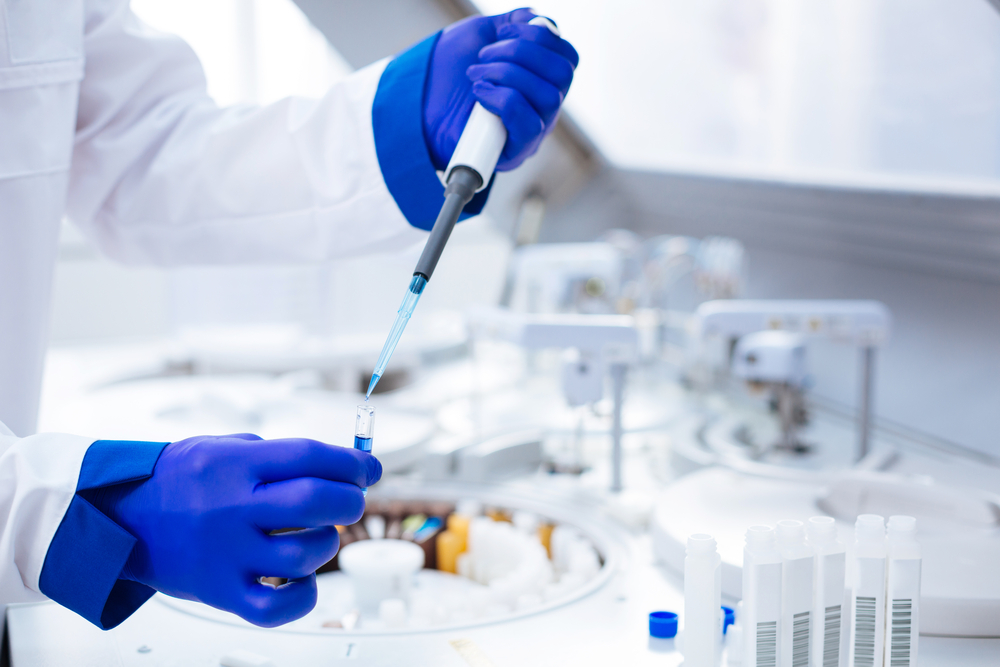
Pipettes are laboratory tools used primarily in chemistry, biology, and medicine to measure or dispense precise volumes of liquid. They play a critical role in applications such as sample preparation, reagent dispensing, PCR testing, pharmaceutical development, and clinical diagnostics. In New York’s competitive life sciences sector, accuracy at this level is essential.
Modern pipette models have been in use since the late 1950s and have evolved significantly in both design and precision. Today, pipettes are available in a wide range of volumes and configurations to suit different laboratory applications.
There are two primary types of pipettes: volumetric and measuring pipettes. Volumetric pipettes are designed to transfer a single, specific volume of liquid. They typically resemble simple glass tubes and are manufactured to deliver extremely high accuracy at their designated capacity. However, they cannot measure or hold volumes less than their stated capacity.
Measuring pipettes, on the other hand, are adjustable. This flexibility allows users to draw and dispense varying amounts of liquid with precision. Measuring pipettes are often larger than volumetric pipettes and are commonly used for general laboratory work, making them especially prevalent in busy New York labs where versatility is key.
In addition to these traditional categories, many labs now rely on mechanical and electronic pipettes. These advanced instruments improve ergonomics, reduce user fatigue, and offer enhanced consistency—but they still require regular calibration to perform correctly.
How Often Should Pipettes Be Calibrated?
The Clinical and Laboratory Standards Institute (CLSI) recommends calibration every three to six months. However, this depends on how frequently you use them.
One popular formula in determining calibration frequency is MTBF – or “Mean Time Between Failures.” MTBF is the average rate at which pipette failures occur.
In order to determine MTBF, a group of pipettes is analyzed. They’re studied in order to discern how long it takes each of them to fail. Basically, a failure is a performance that falls below established standards. The mean of the collective failure times is the MTBF for that group of pipettes.
MTBF is a reliable way to calculate time between services. However, it’s best for your lab to establish a schedule for your pipette’s calibration.
Why Do You Need Pipette Calibration?
It’s important to calibrate any instrument that’s used to measure, weigh, or produce data. Over time, all lab equipment experiences wear and tear. Springs lose tension, seals degrade, and internal components shift slightly with repeated use. Pipettes are no exception.
When pipettes fall out of calibration, they no longer dispense the correct volume of liquid. This can lead to inaccurate results, failed quality control checks, and compromised data integrity. In regulated New York laboratories, inaccurate measurements can also result in compliance violations during audits or inspections.
Even maintaining equipment that doesn’t directly produce data—such as laboratory refrigerators and freezers—is vital to running a lab. However, calibration of measurement tools like pipettes is especially critical because these instruments directly impact experimental outcomes.
Scientists, clinicians, and researchers depend on accurate data every day. From patient diagnostics in New York hospitals to pharmaceutical research on Long Island, precision is non-negotiable. Calibrating your pipettes to NIST traceable standards guarantees consistent, accurate readings that you can trust.
NIST Traceable Standards
When researching equipment calibration, you’ll often encounter the term “traceability.” In calibration, traceability refers to an unbroken chain of comparisons to a recognized national standard. This is where NIST comes in.
NIST, or the National Institute of Standards and Technology, establishes measurement standards used throughout the United States. NIST traceable calibration confirms that your pipettes have been calibrated using standards that are directly linked to NIST references.
For New York laboratories, NIST traceability is especially important. Many labs must meet strict requirements set by organizations such as CLIA, CAP, FDA, and ISO. NIST traceable calibration supports compliance with these standards and provides documentation that can be presented during audits or inspections.
You should develop a calibration schedule for all of your lab equipment, including pipettes. Calibration can be performed by trained lab personnel or by a professional calibration provider like Cryostar Industries. Partnering with an experienced New York calibration company ensures that your equipment is serviced correctly, efficiently, and in accordance with industry requirements.
Common Causes of Pipette Inaccuracy
Pipettes can lose accuracy for a variety of reasons. Frequent use, improper handling, exposure to harsh chemicals, and inadequate cleaning all contribute to performance issues. In busy New York labs, pipettes are often shared among multiple users, increasing the risk of damage or misuse.
Environmental factors also play a role. Temperature fluctuations, humidity, and airborne contaminants can affect pipette components. Regular calibration helps identify these issues early and keeps your equipment operating within specifications.
Benefits of Professional Pipette Calibration in New York
Working with a professional calibration provider offers several advantages. Cryostar Industries provides expert pipette calibration services for laboratories throughout New York, including NYC, Long Island, and surrounding areas.
Professional calibration ensures your pipettes are serviced using certified standards, inspected for wear or damage, and documented properly. This saves your staff time, reduces liability, and supports compliance with regulatory requirements.
Additionally, partnering with a local New York calibration provider means faster turnaround times and responsive support when you need it most.
Conclusion
Keeping your equipment clean and calibrated is all part of running a cost-efficient lab. Keep your pipettes calibrated on a regular basis. As a result, your lab will continue producing accurate, reliable data.
If you have any questions or want to schedule calibration services with Cryostar, contact us today!
| Call for Immediate Lab Services |
|---|
| Long Island, Nassau & Suffolk County Call: 516-333-4006 |
| The Bronx, Manhattan, Brooklyn, Queens, & Staten Island Call: 718-885-0833 |
| Albany & Southern New York State Call: 800-564-5513 |
| Piscataway, Northern & Central New Jersey Call: 800-564-5513 |
| Danbury Connecticut & Surrounding Areas Call: 203-748-7343 |
24/7 Emergency Service |